What is ARDS?
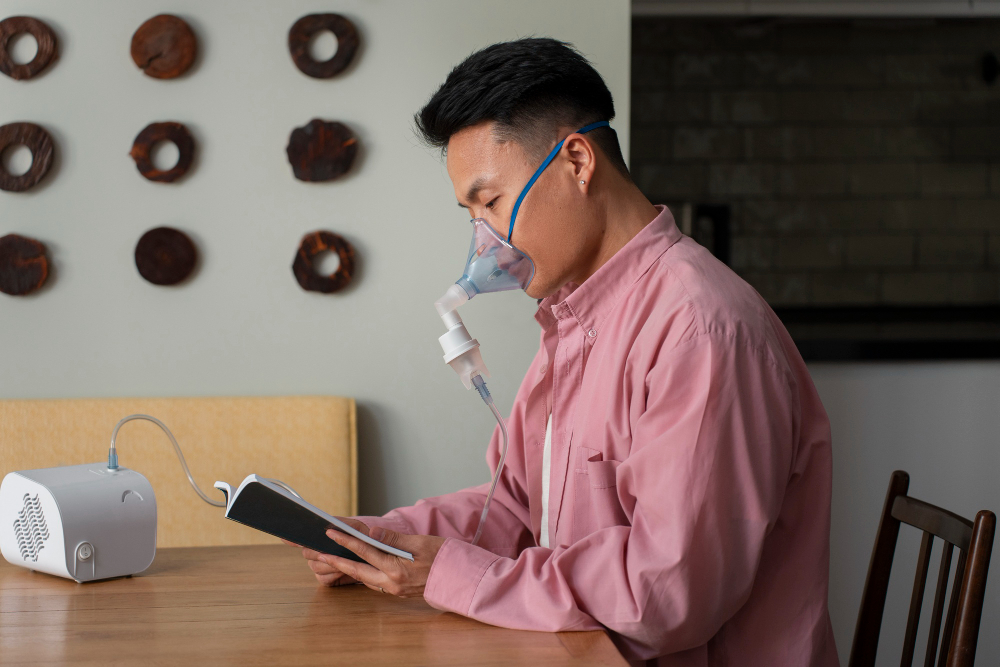
Acute Respiratory Distress Syndrome (ARDS) is a serious lung condition. It happens when fluid builds up in the lungs, making it hard to breathe. ARDS can develop quickly and often needs hospital care. Although it can affect anyone, people with certain health problems are at higher risk. Knowing how to prevent ARDS is important for everyone.
Why is Prevention Important?
Prevention of Acute Respiratory Distress Syndrome (ARDS) can save lives. ARDS can lead to long hospital stays and lasting lung problems. In some cases, it can even cause death. Because there is no simple cure, stopping ARDS before it starts is the best way to protect your lungs. Early steps can lower your risk and keep your lungs healthy.
Major Risk Factors for ARDS
Understanding what increases your risk can help you stay safe. Some common risk factors include:
While some risks are out of your control, many can be managed with healthy choices.
Evidence-Based Prevention Strategies
There are proven ways to lower your risk of ARDS. Here are some key steps:
According to the CDC and WHO, these steps can help reduce ARDS risk and support overall lung health.
Early Warning Signs and When to Seek Medical Help
Recognizing early signs of ARDS can save lives. Watch for:
If you notice these symptoms, seek medical help right away. Early treatment can improve outcomes and prevent serious problems.
Practical Daily Tips for Lung Health
Healthy habits can make a big difference. Try these daily tips to keep your lungs strong:
In cold or polluted areas, wear a mask outdoors and use air purifiers at home. These steps can help protect your lungs in different climates.
Summary and Actionable Advice
To sum up, prevention of Acute Respiratory Distress Syndrome (ARDS) is possible with simple daily actions. Avoid smoking, stay up to date on vaccines, and manage chronic illnesses. Watch for early warning signs and seek help if needed. Your lungs work hard for you every day, so take steps to keep them healthy.
For personalized advice on how to prevent ARDS, consult a pulmonologist or healthcare provider.