What Is COPD?
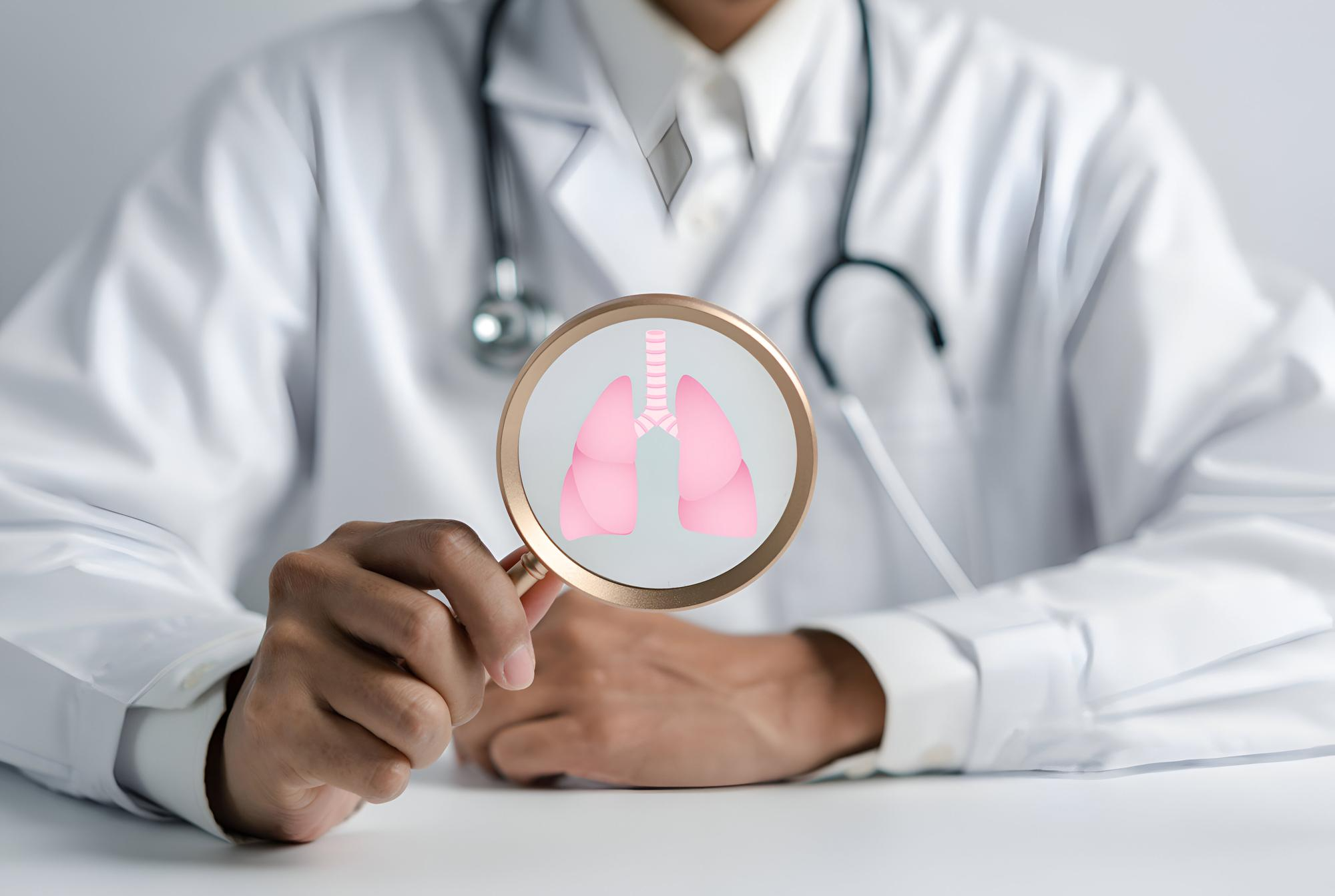
Chronic Obstructive Pulmonary Disease (COPD) is a long-term lung disease. It makes it hard to breathe. People with COPD have blocked or narrowed airways. As a result, less air flows in and out of the lungs. This condition gets worse over time. According to the World Health Organization (WHO), COPD is a leading cause of illness and death worldwide. Although it cannot be cured, early care can help manage symptoms and improve quality of life.
Common Symptoms of COPD
Many people do not notice COPD symptoms at first. However, as the disease progresses, symptoms become more obvious. Early detection is important. Common COPD symptoms include:
Sometimes, symptoms can get worse suddenly. This is called a flare-up or exacerbation. If you notice these signs, it is important to seek medical help.
Causes and Risk Factors
Most cases of Chronic Obstructive Pulmonary Disease (COPD) are caused by long-term exposure to harmful substances. The main causes and risk factors include:
While smoking is the top risk factor, not all smokers get COPD. Still, quitting smoking greatly lowers your risk. In some regions, indoor air pollution from cooking fuels also increases COPD cases.
How COPD Is Diagnosed
Doctors use several steps to diagnose COPD. Early diagnosis helps start treatment sooner. The process may include:
If you have ongoing breathing problems, it is important to talk to your doctor. Timely COPD diagnosis can help you manage the disease better.
Treatment Options for COPD
Although there is no cure for COPD, many treatment options can help control symptoms. Your doctor may suggest:
With the right COPD treatment options, many people can stay active and enjoy life. Always follow your doctor’s advice for the best results.
Lifestyle Tips for Living with COPD
Living with COPD can be challenging. However, healthy habits can make a big difference. Here are some tips:
Additionally, joining a support group can help you cope with the emotional side of COPD.
Preventing COPD
While not all cases can be prevented, you can lower your risk. To help prevent COPD, consider these steps:
Early action is key. By making healthy choices, you can protect your lungs and lower your chance of developing COPD.
If you have concerns about your breathing or think you may have COPD, consult a pulmonologist for personalized advice on managing COPD.